
Key Takeaways
- Dark tints without UV coatings can expose your eyes to more UV radiation, not less.
- Cheap lenses often distort light, which can cause eye strain over time.
- Frame fit affects how well the lenses protect your visual field.
- A professional eye exam helps you choose sunglasses that match your actual eye health needs.
Quality Sunglasses Help Protect Your Eyes
You’ve probably grabbed a pair of sunglasses off a rack at some point, tried them on, liked how they looked, and walked out the door. They only cost ten dollars, they were dark, and they seemed to block the sun. What more could you need?
Quite a bit, it turns out. The gap between cheap sunglasses and quality ones isn’t just about price or style. It’s about what happens to your eyes when you wear them. Some low-cost options can actually leave your eyes more vulnerable than going without any sunglasses at all.
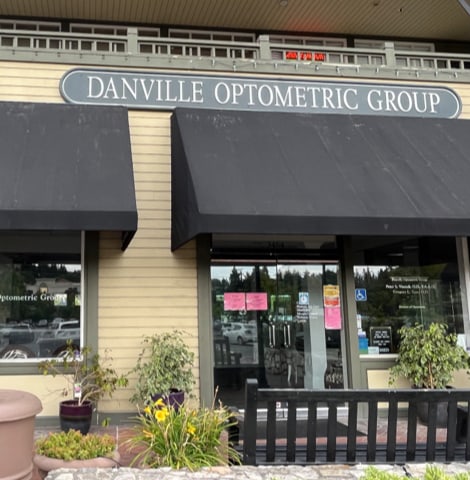
At Danville Optometric Group, we’ve seen firsthand how quality lenses shape long-term eye health. Whether you’re looking for polarization or simply need to protect your eyes, quality sunglasses have something to offer.
What You’re Paying for with Quality Sunglasses
Lens Materials and Clarity
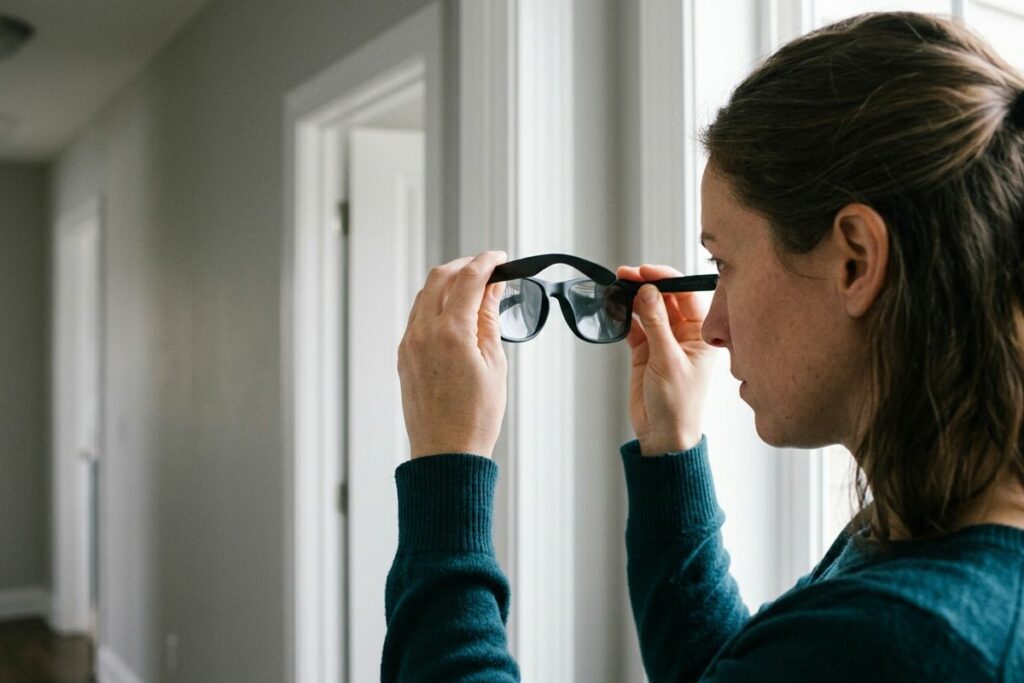
Hold a cheap pair of sunglasses up and slowly move them side to side while looking at a straight line, like a doorframe. If that line bends or ripples, your sunglasses lenses are distorting light. This distortion is often subtle, but your eyes still have to constantly compensate. Over a long afternoon at the beach or behind the wheel, that effort adds up to real fatigue.
Quality lenses are shaped and polished to filter light evenly. The image you see is sharp and stable, so your eyes don’t have to put in extra work.
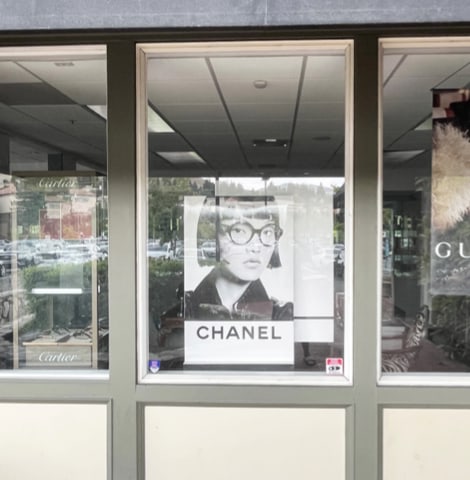
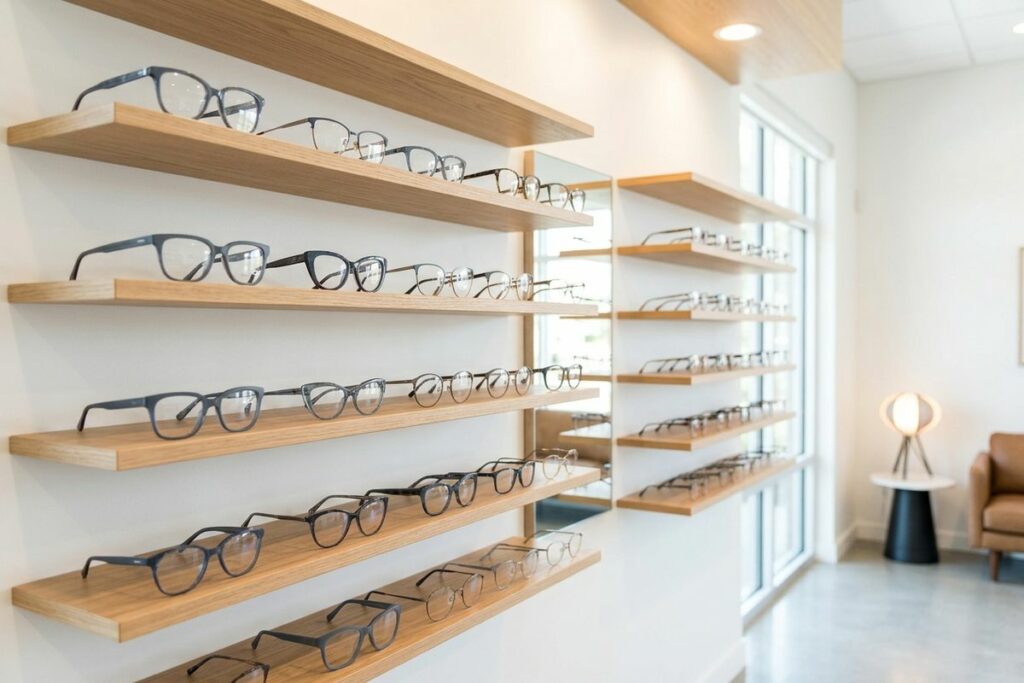
If you’re shopping for frames, exploring lens options from trusted brands can give you a clearer sense of what quality construction looks like.
UV Protection That Works
A dark tint doesn’t mean stronger UV protection. In fact, the tint of your sunglasses and the amount of UV protection they offer are actually two separate things.
When you’re shopping, look for a label or tag that states 100% UVA and UVB protection. If there’s no label, there’s no way to know what you’re actually getting. Exposure to UV light can damage your vision over time, so it’s worth investing in quality protection.
How Cheap Sunglasses Can Affect Your Eye Health
The Dark Tint Problem
Here’s the part that surprises most people. When you put on tinted lenses that don’t have UV protection, you actually expose your eyes to more UV light. A small part of this increase is due to the fact that our pupils dilate in low-light environments, but most of the difference has to do with natural reactions (like squinting) that reduce the amount of light that enters our eyes.
This is why it’s so important for sunglasses to come with UV Protection.
Long-Term Risks to Watch For
The effects of UV exposure tend to appear later in life. Two of the most common concerns linked to long-term UV are cataracts and damage to the surface tissues of the eye. Dry, irritated eyes can also be a symptom of ongoing exposure to poor-quality lenses, especially in bright or windy conditions where your eyes are already working harder.
Frame Quality and Fit Matter More Than You Think
A frame that sits crooked on your face doesn’t just look off. It also shifts the optical center of your lens, making things harder for your eyes.
- Cheap frames often bend out of shape after a few weeks, which throws off the alignment of the lenses.
- Hinges and nose pads on low-cost frames wear down quickly, so what felt right in the store might not last.
- A Danville optometrist can check how a frame sits on your face and make adjustments that most retail shops can’t offer.
What to Look for When You Choose Sunglasses
Key Features Worth Prioritizing
Two things are worth looking for on any pair of sunglasses:
- Make sure to buy lenses that protect you from 100% of UVA and UVB light. A dark tint or a vague claim of “UV protection” aren’t enough.
- Polarization. If you spend a lot of time near water or snow, or behind the wheel, polarized lenses cut down on the glare that’s caused by light bouncing off of flat surfaces. This helps keep your vision clear and comfortable.
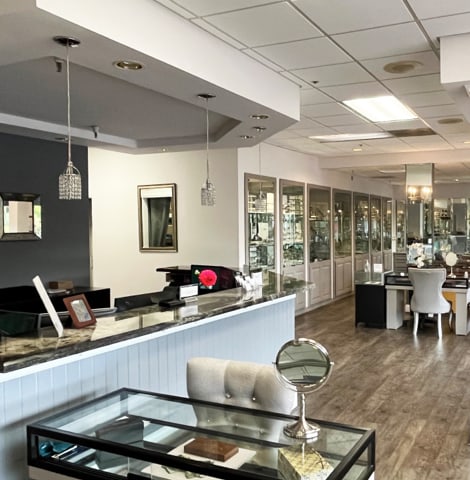
If you want to see what these features look like in practice, we offer a curated collection of quality sunglasses for you to browse.
Who Should Pay Extra Attention
For most people, better sunglasses are a worthwhile choice. But for some, however, it’s genuinely important.
- Children’s eyes are still actively developing. Consistent, reliable UV protection during outdoor time helps protect their eyes.
- People who are prone to dry eye often find that inadequate lenses make outdoor time more uncomfortable. Wraparound frames and quality lenses can reduce discomfort on high-glare days.
The Role of a Professional Eye Exam
Your sunglasses don’t exist separately from your eye health. If you have a prescription, the lenses you choose need to work with your vision, not against it. Off-the-shelf sunglasses aren’t customized for your prescription needs, so they likely won’t adequately correct your vision.
A professional eye exam can determine what kind of prescription you need while also checking the health of your eyes for any potential issues. Early signs of UV-related changes, shifts in your prescription, and dry eye symptoms can all affect your eye doctor’s recommendations when it comes to lenses.
At Danville Optometric Group, we carry a wide range of frames and lenses. Our team can guide you toward options that fit your eyes, your lifestyle, and your budget. Contact us to schedule an appointment and take the guesswork out of choosing your next pair of sunglasses.