
Key Takeaways
- Low online prices can hide gaps in sterility and safety that may put your eyes at risk.
- Eye drops skip your eye’s natural defenses, so contamination can reach you fast.
- Counterfeit brands, overseas products, wrong bottles, and heat damage show up often with unregulated sellers.
- Stinging, burning, redness, and blurred vision can signal an unsafe product — but often you feel nothing at all, and the drops simply don’t work as well.
- Eye supplements aren’t all built the same, and store-brand copies often leave out the ingredients that matter most.
- Direct purchase from the manufacturer or through your doctor’s office is the safest route.
- A quick chat with your Danville optometrist helps you shop with less worry.
A $10 bottle of drops sounds like a small win. Then you rub your eyes at midnight and feel a sting that spreads. That gap between the price tag and the result is where trouble hides.
Cheap eye products from unregulated online sellers can carry contamination, heat damage, and wrong formulas that may harm your eyes far more than the money you saved.
Sterility matters more with eyes than almost anywhere else on your body, and our team at Danville Optometric Group sees what can happen when it slips. Drops go straight onto a wet surface, which skips the barriers your skin uses to block germs. When a bottle isn’t sealed, stored, or made correctly to US standards, whatever grows inside reaches you within seconds.
What Unregulated Sellers Don’t Tell You
The listing looks clean, and the photos look real. The gaps show up after the box arrives at your door. Most manufacturers will tell you exactly how to obtain their product through a reliable source — usually direct purchase or an authorized distributor like your doctor’s office.
Common Red Flags to Watch For
Some sellers ship counterfeit versions of trusted brands, right down to the logo. Others market “natural” drops that claim to treat serious eye disease with no testing behind the claims. Even large marketplaces don’t fully vet every third-party seller — in 2023, contaminated artificial tears sold online, including through Amazon, were traced to a multistate outbreak of drug-resistant bacteria that left some patients with corneal scarring and permanent vision loss. You may also receive unregistered imports built for other countries, made to different manufacturing standards, with labels you can’t read and ingredients no one checked.
Packaging and Storage Problems
Preservative-free drops need single-use vials or special bottles. Pour that formula into the wrong container and bacteria move in quickly. Manufacturing safety and testing standards also aren’t consistent from one facility to the next, so where a product was made and whether it passed proper quality control matters just as much as how you store it.
Shipping adds another layer of risk. A bottle that bakes in a hot truck or sits in a warm warehouse can break down before it reaches you. Expired stock and mislabeled dates round out the list, leaving you to guess what you’re really putting in your eye.
Why Eye Supplements Deserve the Same Scrutiny
Eye vitamins get less attention than drops, but the sourcing question matters just as much — and for different reasons.
Supplements aren’t approved by the FDA the way medications are. No product on the shelf, branded or store-brand, goes through that process. What separates them is whether the manufacturer invested in clinical research and whether the bottle actually contains what the label claims. Independent testing has repeatedly found generic supplement copies falling short on both counts.
Not All Formulas Do the Same Job
This is where a lot of confusion starts. The AREDS2 formulation — the basis for products like PreserVision — was studied in a large National Eye Institute trial and has evidence behind it for reducing the risk of progression in intermediate to advanced macular degeneration. That research is real and worth understanding.
What those standard formulas don’t include is meso-zeaxanthin, one of the three carotenoids that make up the macular pigment protecting your central vision. Formulas built around all three — including MacuHealth — have been studied in trials such as MOST and CREST for their effect on macular pigment density, contrast sensitivity, and glare recovery.
These aren’t interchangeable products. They target different things, and which one fits your eyes depends on what’s actually happening in your macula. That’s not a call you can make from a warehouse shelf.
Where These Products Come From Matters
MacuHealth is a useful example of how sourcing works. The company sells direct or through eye care professionals — it doesn’t supply Amazon, Costco, or big-box retailers. Any listing you find on those platforms comes from a third-party reseller, which means no guarantee about storage conditions, expiration dates, or whether the product is authentic.
The same logic applies broadly. When a manufacturer controls its distribution chain, you know how the product was handled from the factory to your hand. When it passes through unauthorized sellers, that chain breaks.
Recalls and Warning Signs Every Family Should Know
Recalls happen more often than most families notice, and the products pulled aren’t always obscure.
Which Products Have Faced Recalls
Store brands and lesser-known names have landed on recall lists after contamination reports. Copycat drops that mimic popular brands show up too, borrowing a familiar look without the safety checks. You can check current FDA alerts online in a couple of minutes before you buy or reorder anything.
Signs Your Drops May Be Unsafe
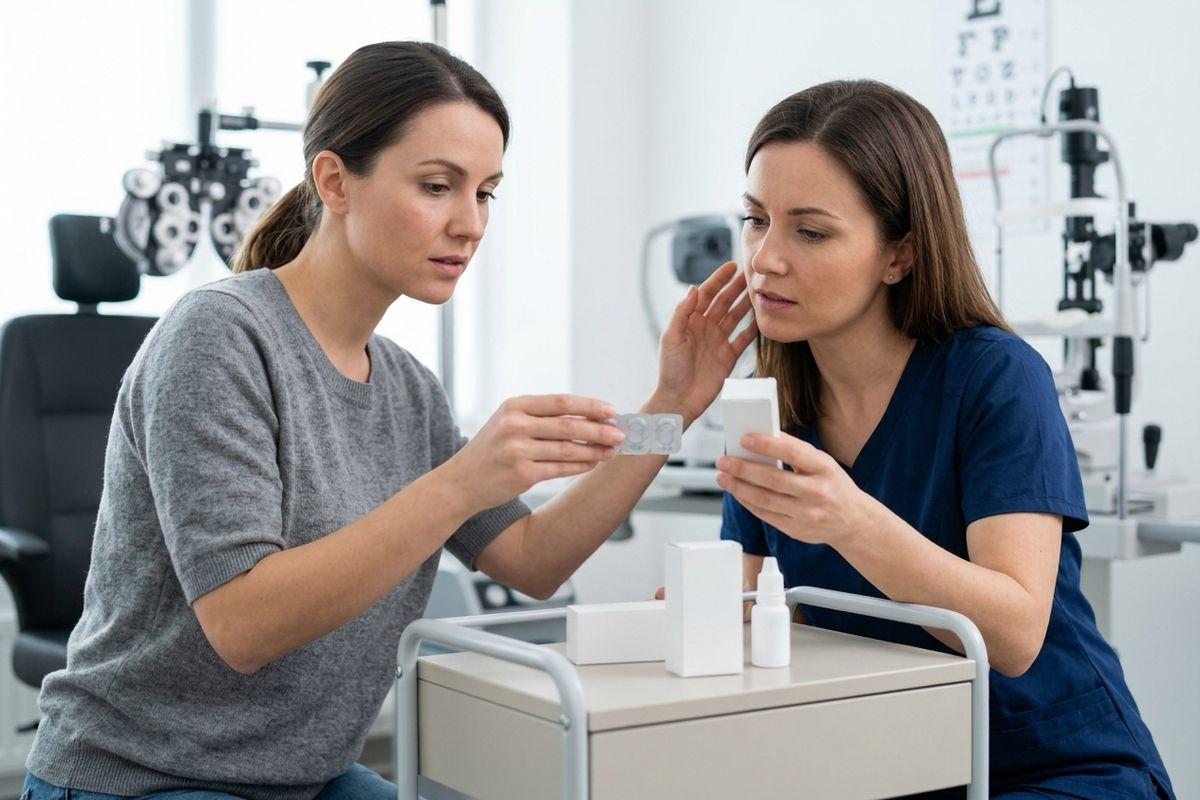
Your eyes usually tell you when something is wrong. Pay attention if you notice any of these signs right after use:
- Redness or stinging the moment the drop lands
- Burning, heavy watering, or blurred vision
- Irritation that grows worse with each use instead of easing
Stop using the product if these show up, and set it aside so our team can take a look at the label.
How to Pick Safe Eye Drops and Supplements
Safer shopping comes down to a few simple habits. Stick with pharmacies, your doctor’s office, and manufacturer-direct sources, where products are tracked and stored the right way.
Check the expiration date before every use, not just at the register. A quick glance takes two seconds and saves you from a bottle that turned months ago.
When you feel unsure about a brand, a formula, or a deal that seems off, ask your Danville optometrist. A short question can steer you toward products that actually fit your eyes.
How Our Team Supports Your Eye Health
Good products work better when they match your eyes. That’s where in-person care makes the difference an online cart can’t.
Our team offers dry eye treatment that targets what’s behind your discomfort, so you’re not guessing with random bottles. We can also review your supplement routine and tell you whether the formula you’re taking matches what your macula actually needs — and where to get it from a source you can trust.
We Can Help
Skip the guesswork that comes with unregulated sellers. Book a visit with Danville Optometric Group today, and let our team help you choose eye products and care that protect what your eyes do every day.